
Español
Spanish
Spanish is deeply present in California, throughout the Americas, and in communities around the world. Children encounter it through movement, stories, objects, interaction and meaningful cultural contexts.
Language in motionSpanish + Mandarin · Children’s Language Learning
Kinetic Lingo brings language to life through meaningful movement, imaginative experiences, cultural context, tangible materials, and real human connection.
Founding program · San Francisco Bay Area
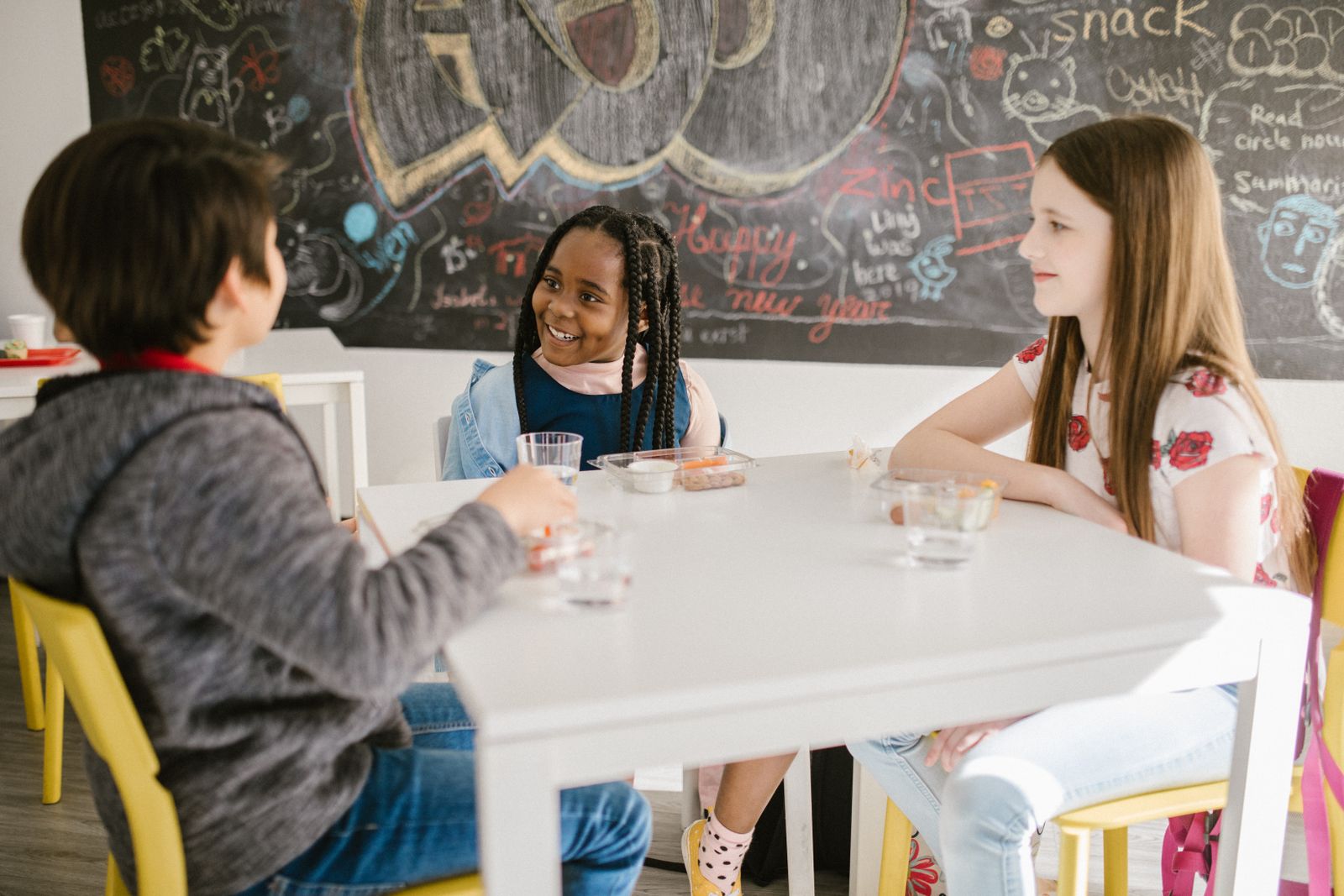
Children physically experience linguistic meaning through purposeful action—not movement added simply for entertainment.
Language is encountered in the context of people, places, traditions and contemporary life.
Children can participate through speech, gesture, movement, objects, partners, observation and other meaningful forms of engagement.
Responsive instructors notice children, adapt support and create genuine reasons to communicate.
The experience
Children don’t just hear a new word for market. They enter one.
They might carry a basket, ask a classmate for something, exchange objects, move through the space, negotiate choices, and discover how people use language within a meaningful cultural context.
Language becomes something they can move through, respond to, and use.
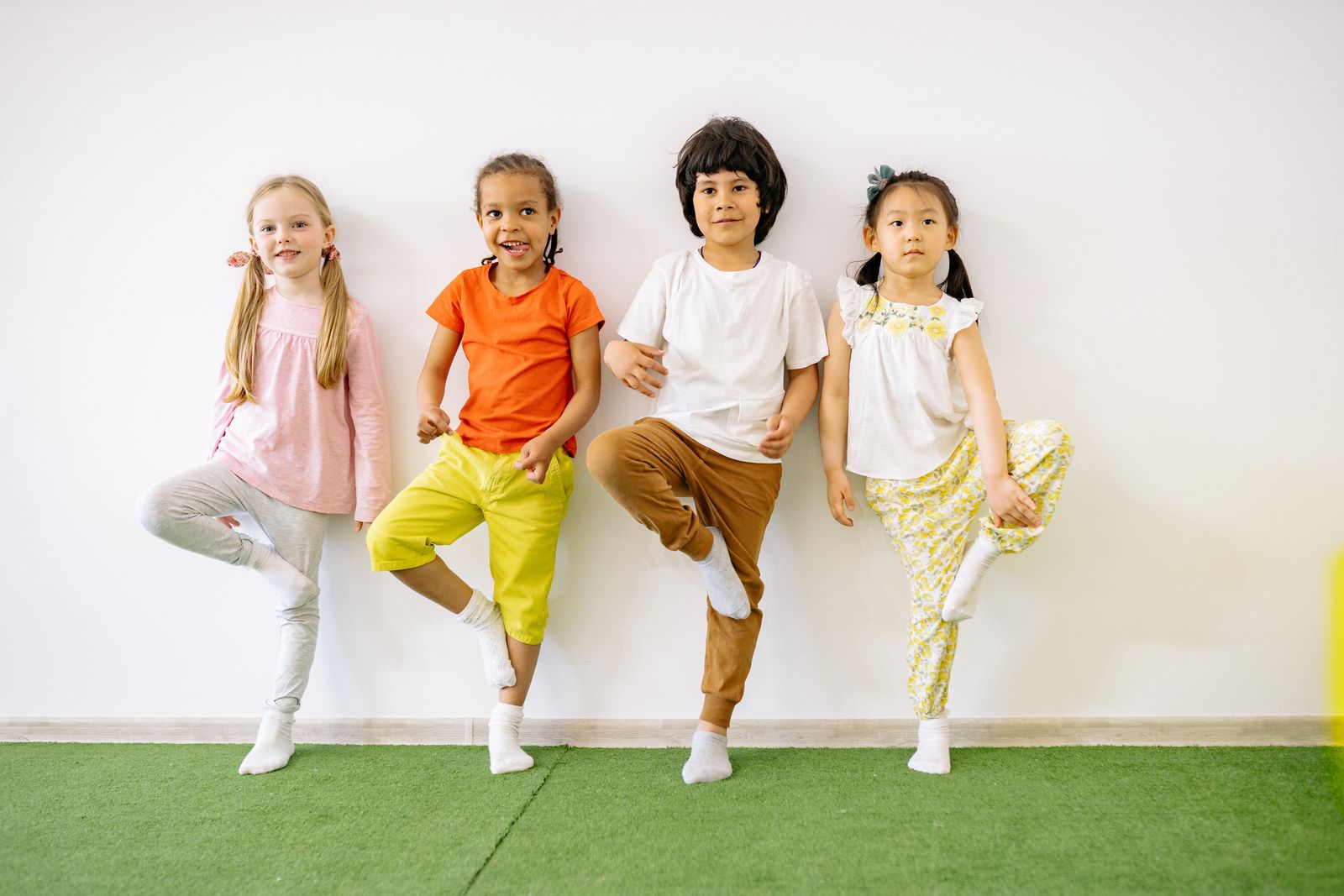
The body helps make meaning tangible.
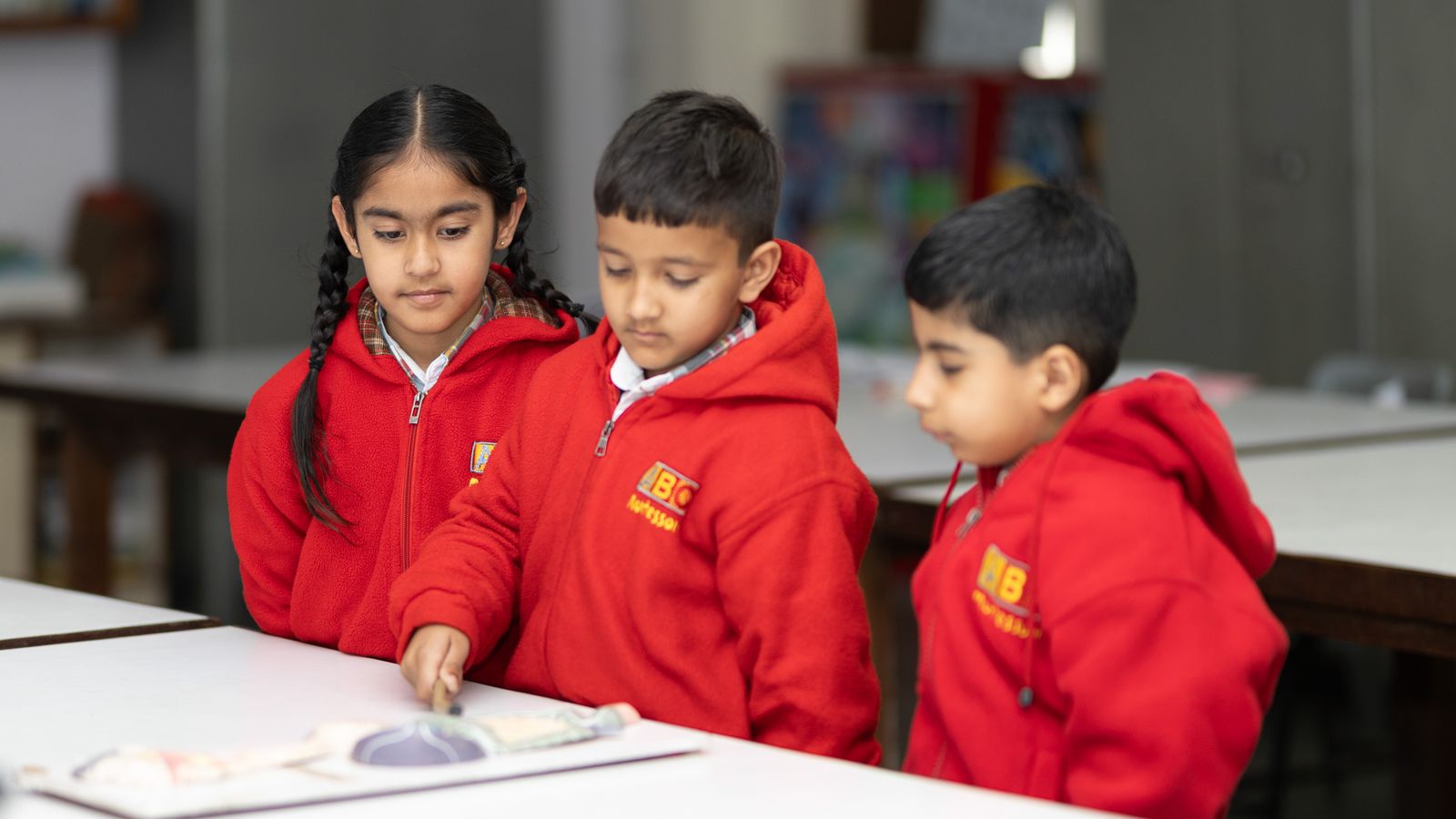
Objects, stories and cultural context create a world around the language.
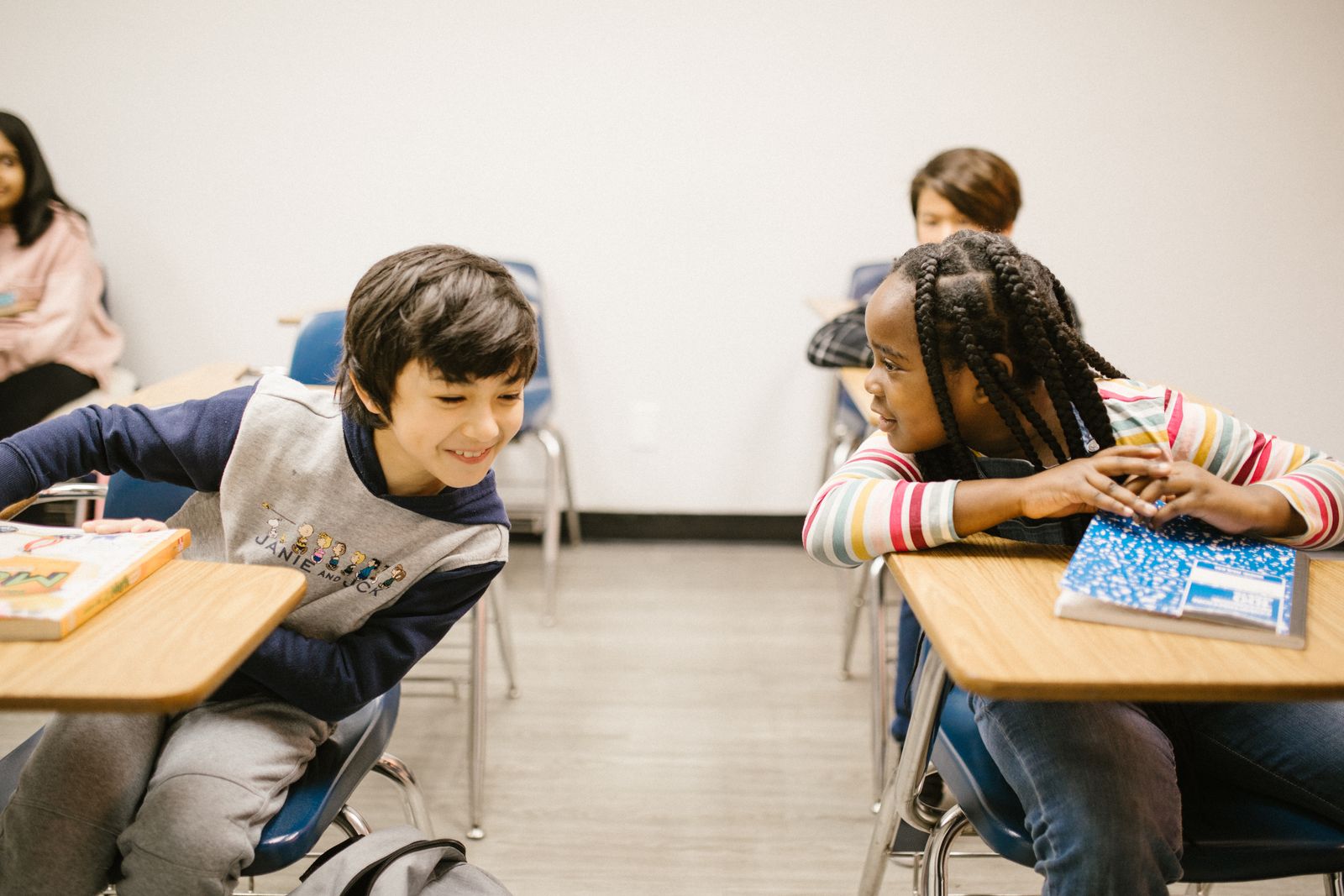
Children use language with people for genuine reasons.
The methodology
Experience meaning through purposeful movement.
Create multiple ways to enter and participate.
Give children genuine reasons to communicate.
Encounter language within meaningful cultural context.
Build rich, understandable exposure to the language.
Learn through responsive exchanges with instructors and peers.
Create psychological safety for experimentation, mistakes and growth.
Neuroinclusive by design
Children differ in how they communicate, move, attend, process sensory information, regulate and enter social experiences.
Kinetic Lingo is designed with that variability in mind.
Participation doesn’t have to look the same to be meaningful.
Culture
Language doesn’t exist separately from the people who speak it.
Kinetic Lingo introduces children to diverse and contemporary cultural contexts while avoiding the idea that any language belongs to one country, tradition or way of life.
Culture as context, not costume
Instructors
Kinetic Lingo isn’t designed around children following a script.
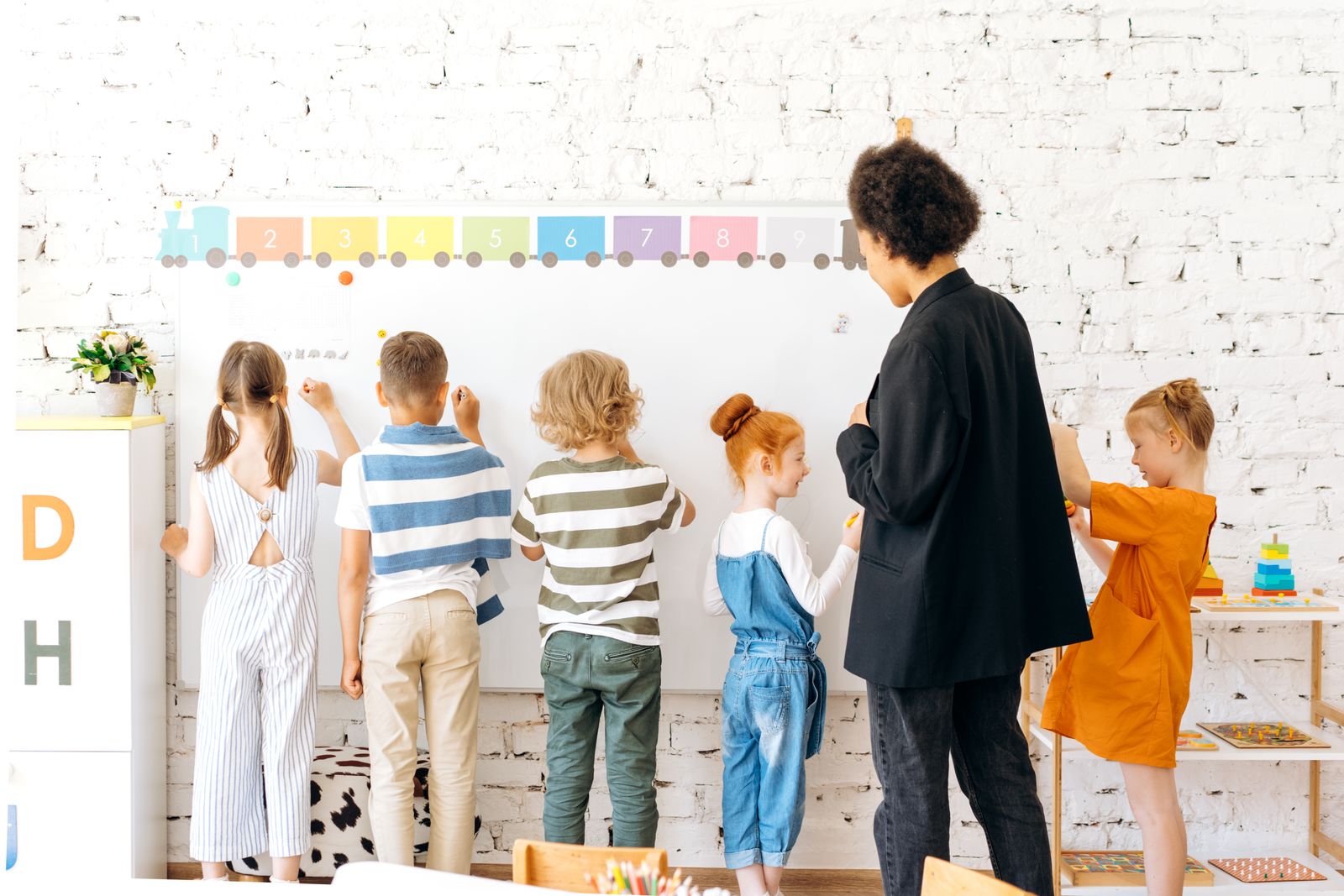
Our instructors create responsive learning environments: noticing what children understand, adapting support, expanding their language and allowing children’s communication to influence what happens next.
 Language Passport · B6
Kinetic Lingo Language Passport
The Kinetic Lingo Language Passport helps children collect experiences, remember discoveries, reflect on communication, and make their learning journey visible.
Children can take part through
A field journal, a travel notebook and a record of lived experiences — B6 format, 125 × 176 mm (4.9 × 6.9 in).
Our First Languages
Spanish and Mandarin are the first two program languages at Kinetic Lingo. Both are taught through the same core methodology, while respecting the distinct linguistic and cultural contexts each one opens up.
Spanish
Spanish is deeply present in California, throughout the Americas, and in communities around the world. Children encounter it through movement, stories, objects, interaction and meaningful cultural contexts.
Language in motionMandarin
Mandarin connects children with Chinese-speaking communities locally and around the world, while inviting them into a distinctly different linguistic experience through meaningful action, interaction and cultural context.
Language in motionTwo languages. Many communities. Countless ways to connect.
Founding Program
We’re preparing our first pilot programs and building a community of founding families.
Join the interest list for program announcements, location updates and pilot updates.
Interest List
We’ll share program announcements and founding-family updates as the first Kinetic Lingo experiences take shape.